
How Scoliosis Affects Adults: Hidden Effects Revealed
Scoliosis in adults affects far more than your spine. Here’s the honest rundown on pain, posture, energy and mood, plus a proper section on sex: comfy positions, helpful toys and how to make intimacy work with your curve.
Scoliosis isn’t just a teenage thing that gets sorted with a brace and a few awkward school photos. Loads of adults live with it every single day, and a curve that started small can end up affecting posture, movement, energy and even how you feel about yourself. I’ve watched my mate Tash juggle it for years, so this one is personal.
Here’s the thing. Understanding how scoliosis affects adults means looking past the spine on the X-ray. Your nervous system, your daily habits and the way you’ve learnt to cope with pain all come into it. Get curious about it instead of scared of it and you can start working with your body rather than fighting it.

Physical Impact on the Adult Body
The obvious bit is the curve itself. The less obvious bit is how the rest of your body scrambles to compensate. Muscles on one side get tight and overworked while the other side gets weaker, and that imbalance can mess with your hips, your shoulders and even how your weight sits when you’re just standing in a queue.
Have a read of this detailed breakdown of scoliosis effects on the body. It explains how scoliosis can affect far more than the spine, including muscle coordination and joint alignment. Over time those little shifts add up, which is why everyday stuff like lugging the shopping can feel harder than it should.
What I’ve noticed with Tash, and a few others I’ve chatted to, is that adults get really good at quietly adapting. You shift your weight, you avoid certain movements, you stop going to that yoga class, and you don’t even realise how much your body is compensating. Noticing it is honestly step one.
Chronic Pain and Nervous System Patterns
Chronic pain is one of the most common ways scoliosis shows up in adults, but it isn’t just mechanical. Your nervous system has a huge say in how loud that pain feels. When your body is constantly dealing with imbalance, it can flip into a kind of permanent high alert.
Over time your body can start expecting pain even when nothing’s wrong, which tightens everything up and makes the pain more constant. Annoying, right? If you want to understand that loop better, it’s worth reading about how the nervous system affects overall bodily responses, including sensitivity and recovery.
None of this means the pain is in your head. It’s real. It just means your system is trying to protect you a bit too enthusiastically. Relaxation, breathwork and gentle movement can help turn the volume down over time.
Posture, Mobility, and Daily Function
Posture is usually the most visible change, but it’s not about looking perfectly straight. The curve changes how efficiently you move. A lot of people end up stiff in one direction and weirdly bendy in the other, which feels uneven and, frankly, frustrating.
It can make everyday stuff like bending, lifting or sitting through a long movie harder than it should be. And when movement starts to feel risky, you naturally move less, which sadly tends to make the stiffness worse.
The good news? When people gently bring balanced movement back, even in tiny ways, their bodies adapt surprisingly well. It’s not about forcing yourself to be symmetrical. It’s about finding patterns you can actually stick with.
Tash swears by her twenty minute rule. If she’s been sitting at her desk for more than twenty minutes, she gets up and does three slow side stretches next to the printer. Her colleagues think she’s weird. Her back thinks she’s a genius.
Breathing, Fatigue, and Energy Levels
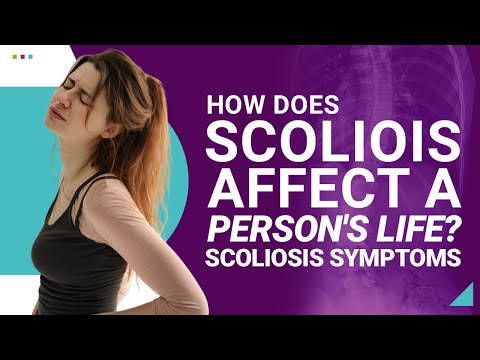
Scoliosis can also mess with your breathing, especially when the curve affects your rib cage. Your lungs might not expand as fully, so your breathing gets shallower over time. You might not notice it, but it can leave you feeling flat and tired by mid-afternoon.
According to guidance on managing adult scoliosis, working on posture and doing targeted exercises can support both breathing and energy levels. Small tweaks, big difference.
Shallow breathing also tells your nervous system you’re stressed, which keeps you wound up. Slowing your breath down and breathing into your belly and the sides of your ribs is a simple way to tell your body it’s safe to relax.
Emotional and Psychological Effects
The emotional side gets ignored way too often. Living with ongoing pain, or a body that looks a little different, can chip away at your confidence, how you feel in photos and how much you want to go out. Some people slowly pull back without even meaning to.
Your body and mind are constantly chatting to each other. When your body feels strained, your head often joins in with worry or a nasty little voice of self-criticism. That’s not you being dramatic. It’s just how humans work.
There’s also a fascinating link with your brain’s reward system. Reading about how dopamine influences motivation and pleasure helps explain why chronic discomfort can sap your enthusiasm for things you used to love. It’s biology, not a character flaw, and it can be supported.
Progression and Long-Term Changes
One of the biggest worries for adults is whether the curve will get worse. Honestly, it depends on how big the curve is, your lifestyle and your general health. For some people it stays put and for others it slowly progresses, which is exactly why regular check-ins with your doctor matter.
As we get older, bone density and muscle strength naturally change, and that can affect how scoliosis behaves. That’s why being proactive matters so much. Staying strong, mobile and aware of your posture can help slow or manage those changes.
Instead of spiralling about what might happen, focus on habits you can actually keep up. Small things done regularly beat one heroic gym session a month, every single time.
Ways to Manage and Support Your Body
Managing scoliosis as an adult is a mix of looking after your body and calming your nervous system. Gentle strength training, mobility work and posture awareness all help create more balance. It’s not about fixing your spine, it’s about helping your whole body work better.
Feeling safe in your body matters just as much. Breathwork, mindfulness and slow movement like yoga, Pilates or swimming can calm your nervous system and take the edge off pain signals. Keep it up and your everyday baseline starts to feel a lot more comfortable.
The people I know who do best are the ones who stay curious about their body instead of angry at it. It sounds cheesy, I know, but that shift alone changes a lot.
The best thing Tash ever did was find a physio who actually specialises in scoliosis. Not a general back person, a scoliosis person. If yours hands you the same sheet of stretches they give everyone, you are allowed to shop around.
Scoliosis and Sex: Making Intimacy Work With Your Curve
Let’s talk about the bit most scoliosis articles skip: sex. My mate Tash has had scoliosis since she was fourteen, and over one very long bottle of wine she told me no doctor had ever brought it up. Not once. So here’s what she’s worked out, plus what tends to help people with back pain in general. Every curve is different, and if you’ve had surgery or a fusion, check with your specialist or physio about what’s safe for you.
Positions That Go Easy on Your Back
Both on your sides, partner behind. The mattress supports your spine and nobody has to hold their own weight up. A pillow between your knees keeps your hips level.
You control the depth, speed and angle, so you can stop or shift the second something twinges. Leaning forward onto your hands or your partner’s chest takes load off your lower back.
Lie back with a pillow under your hips or knees, whichever suits your curve. Your partner takes their weight on their arms. Great for days your back just wants to stay flat.
Lie back with your hips near the edge of the bed and your feet on a low stool. Your spine stays flat on the mattress while your partner stands and does the moving.
If leaning forward eases your pain, try rear entry with a stack of pillows under your chest so you’re resting, not holding yourself up on your arms.
The golden rule? If it hurts, change it. Pain is not a sign you need to try harder. A small shift in angle or one extra pillow usually fixes it, and a good partner will be more than happy to rearrange the furniture.
Toys That Can Help
- Use a heat pack or have a warm shower together beforehand.
- Pick your good time of day. For lots of people that’s not late at night.
- Agree on a word that means “let’s shift”, no explanation needed.
- Use plenty of lube. Less friction means less effort and less strain.
- On flare days, oral, toys and mutual touch still count as sex.
How Scoliosis Affects Adults
Living with scoliosis as an adult isn’t only about limits. It’s about how ridiculously adaptable bodies are. With the right support, plenty of people find ways to move, breathe, love and live more comfortably. Not perfectly, but realistically, and that’s the goal.
Go at it with patience and good information and scoliosis becomes something you manage, not something you fear. Your body keeps adjusting and learning, often in ways that will surprise you.
Key Takeaways
- Adult scoliosis affects posture, movement, breathing, energy and mood, not just the spine.
- Pain is real, and your nervous system can turn its volume up or down.
- Gentle, consistent movement and strength work beat occasional big efforts.
- Sex can still be great: side-lying, you on top and well-pillowed positions take pressure off your back.
- Long-handled, hands-free and remote toys mean less reaching and twisting.
FAQs About How Scoliosis Affects Adults


Leave a Reply