
Scheduled intimacy can strengthen your relationship when both partners approach it with flexibility and open communication. Research shows that couples who plan sex tend to have more frequent intimate encounters and report stronger desire than those who rely on spontaneous moments alone. The key is treating scheduled time as an invitation, not an obligation. When deeper issues like resentment, exhaustion, or emotional disconnect exist, scheduling alone won’t fix the gap.
Scheduled Intimacy: Does It Actually Work?
Let me start with a confession. Back when he was still my fiancé, my husband texted me a calendar invite titled “Us Time” on a random Tuesday. My first thought? That felt about as romantic as a dentist reminder. My second thought, about three hours later? It was one of the best evenings we had in months. Funny how that works.
The idea of putting sex on a schedule makes most people cringe. It sounds mechanical. It sounds forced. And it sounds like something your grandparents would never admit to doing. But here’s the thing couples everywhere are quietly pencilling in intimate time, and research is starting to back them up. A 2025 study from York University found that couples who embraced planned sex had more frequent encounters, stronger desire, and even higher relationship satisfaction. So maybe the question isn’t if scheduled intimacy works. Maybe the question is why so many of us resist it in the first place.
Watch The Scheduled Intimacy Video
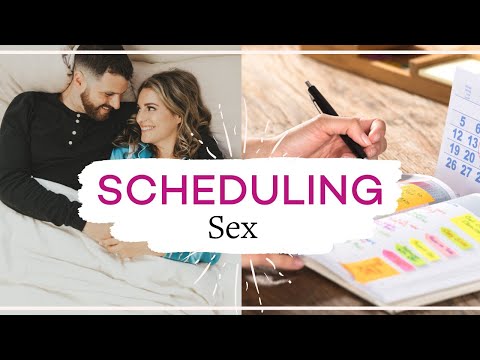
Why Spontaneous Sex Fades And What Fills The Gap
Early in a relationship, sex just happens. Hormones are high, novelty is everywhere, and you can barely keep your hands off each other. That honeymoon energy is intoxicating. But it doesn’t last forever. Jobs get demanding. Kids arrive. Exhaustion creeps in. One night you realise it’s been three weeks and neither of you has made a move. That pattern is far more common than most couples want to admit, and it has nothing to do with love fading. Life simply gets louder than desire. Many couples quietly stop initiating sex without ever having one clear conversation about why.
Sex therapists call this the shift from spontaneous desire to responsive desire. Spontaneous desire is that out-of-nowhere urge that hits you like a freight train. Responsive desire kicks in after some kind of physical or emotional cue. Most people in established relationships operate on responsive desire, and that’s completely normal. The problem is that nobody talks about it. So both partners sit around waiting for a spark that needs a little kindling first.
This is where scheduled intimacy enters the picture. It’s not a sign of failure. It’s a recognition that two busy adults need to carve out space for connection. Think of it like date night. Nobody calls dinner reservations unromantic. Scheduled intimacy works the same way, it creates a window for desire to show up, instead of hoping it randomly appears between doing laundry and answering emails.
CS
I see this in my yoga classes all the time. The students who book a regular slot keep showing up, and the ones who wait until they feel like it rarely do. Intimacy works in a surprisingly similar way. Putting it in the diary isn’t unromantic. It’s a quiet way of saying this matters.
What Research Says About Couples Who Plan Their Intimate Moments
There’s a stubborn myth floating around that planned sex is somehow inferior. Western culture glorifies spontaneity. Movies show couples ripping each other’s clothes off in hallways. Nobody in a rom-com ever says, “Hey, Saturday at eight works for me.” But researchers at York University tested this assumption directly in 2025. They split over 500 parents into two groups. One group learned about the benefits of planned sex. The other group carried on as usual. Two weeks later, the planners had more sex overall, not just more planned sex, but more spontaneous encounters too. Women navigating intimacy changes after 40 often find this approach especially freeing, because it removes the guessing game entirely.
The same study found that couples who planned sex felt less obligated about it, not more. That surprised a lot of people. When both partners agree on a time, it removes the awkward dance of subtle hints and quiet rejection. The higher-desire partner stops feeling like a pest. The lower desire partner stops feeling cornered. Both breathe easier. And that relief alone opens the door to better experiences between the sheets.
Another finding worth noting beliefs shape the outcome. Couples who viewed planned sex negatively reported lower satisfaction when sex felt scheduled. Couples who embraced it found no difference in satisfaction compared to spontaneous encounters. So the attitude you bring to scheduled intimacy plays a massive role in how it feels. If you walk in expecting it to be clinical, it probably will be. If you treat it as something to look forward to, your brain follows that lead.
Hidden Pressure, Resentment And When Scheduling Makes Things Worse
Scheduled intimacy can create anxiety when deeper disconnection is still present. One partner may dread the planned night, while the other may feel hurt when it changes. Resentment, unresolved conflict, unequal household work, or poor body confidence can all affect closeness. Couples may need to refresh their approach to their sex life before putting private time on the calendar.
A schedule must always leave room for choice. No one owes sex because a time was planned. Partners need the freedom to pause, change direction, or simply cuddle without guilt. My husband once reminded me of this after I became disappointed by a cancelled plan. He was right. A calendar should support connection, not create a new source of pressure. Persistent emotional distance, conflict, or mismatched desire can benefit from support with a qualified therapist.
Green Light: Both partners feel relaxed about the plan. Keep the routine and check in every few weeks.
Pause And Adjust: Plans keep getting delayed or avoided. Choose a different time, shorten the plan, or focus on nonsexual closeness.
Stop And Talk: One partner feels guilt, fear, or obligation. Pause the schedule and have a calm conversation away from the bedroom.
Extra Support: Tension continues after honest conversations. Consider relationship or sexual wellness support together.
How To Put Intimacy On The Calendar Without Killing Desire
Keep the plan flexible. Choose a shared window rather than a strict time. A weekend evening or a quiet morning can work better than a fixed appointment. The time can include kissing, cuddling, massage, talking, sex, or simply being close. Couples who feel confident taking charge in the bedroom often find that planning removes the problem of finding time together.
Try ThisGive your planned time a name you both like, such as “our night” or “slow Sunday”. A playful label makes it feel like a date rather than a task.
Create anticipation before the planned time arrives. A playful message, an affectionate touch, or a private compliment can shift the mood during an ordinary day. My husband once sent a short message before lunch, and it stayed in my head all afternoon. Small changes also help keep the routine fresh, from a new playlist to a different place in the home.
01
02
03
04
05
Moving Beyond The Calendar Toward A More Connected Relationship
Scheduled intimacy works best as a stepping stone, not a permanent crutch. The deeper goal is cultivating a relationship where physical connection flows more easily overall. That starts with daily affection outside the bedroom. Hold hands during a walk. Kiss each other goodbye like you mean it. Hug for longer than three seconds. These micro-moments keep your physical bond alive between scheduled encounters and make the transition to intimacy feel natural rather than forced.
CS
When my husband and I started planning time together, the biggest change wasn’t in the bedroom. It was the ten minutes beforehand: phones away, a shared cup of tea and a proper hug. That small ritual did more for our connection than any grand gesture.
Communication is the engine behind all of this. Talk about what you enjoy. Talk about what feels off. Ask your partner what makes them feel desired and then do those things. A 2025 study on sexual desire types found that couples who openly discussed their needs reported significantly higher satisfaction regardless of how often they had sex. Frequency matters less than feeling wanted and heard. If you can have those conversations comfortably, scheduled or spontaneous sex both improve.
Know when to bring in professional support. If scheduling creates tension, if desire has dropped to zero, or if emotional wounds keep resurfacing, a sex therapist or couples counsellor can offer tools that a calendar can’t. There’s no shame in that. Think of it this way you would see a mechanic for engine trouble, not just keep turning the key harder. Scheduled intimacy is one tool in a larger toolkit. Use it wisely, pair it with honest connection, and it can genuinely transform how close you and your partner feel.
Make Planned Intimacy Feel More Exciting
Superhero Ultimate Performance Spray by Pjur adds a playful option to your planned private time together. Pair it with a relaxed setting, shared comfort, and open conversation so your scheduled evening feels more inviting for both partners.

FAQs About Scheduled Intimacy


Leave a Reply