
August 27, 2026
August 27, 2026
9.00 Min Read
How to use a menstrual cup starts with washing your hands, folding the clean cup, inserting it gently toward the tailbone and allowing it to open inside the vagina. Check that it feels comfortable and is positioned below the cervix. For removal, pinch the base to release the seal before slowly withdrawing the cup.
How To Use A Menstrual Cup Without Stress Or Discomfort
Switching to a menstrual cup can feel confusing during the first few attempts, especially for beginners who are used to pads or tampons. Many people experience difficulty with folding, insertion angle, leaks or removal because the pelvic muscles may tighten when the process feels unfamiliar. Small changes in positioning and technique can make a noticeable difference over the first few cycles.
This guide explains how to use a menstrual cup with beginner-friendly instructions, comfortable insertion methods and practical tips for preventing leaks. It also covers safe removal, cleaning, storage and daily activities such as sleeping, exercising and travelling. The goal is to make period care feel more manageable without expecting every body to adapt in exactly the same way.
Table Of Contents
- ① What Is A Menstrual Cup And How Does It Work?
- ② Step-By-Step Guide On How To Use A Menstrual Cup Comfortably
- ③ Safe And Easy Ways To Remove A Menstrual Cup
- ④ How To Clean And Store A Menstrual Cup Properly
- ⑤ Preventing Leaks And Improving Everyday Comfort
- ⑥ Common Menstrual Cup Mistakes And When To Get Help
- ⑦ FAQs About How To Use A Menstrual Cup
Watch How To Use A Menstrual Cup Step By Step For Beginners
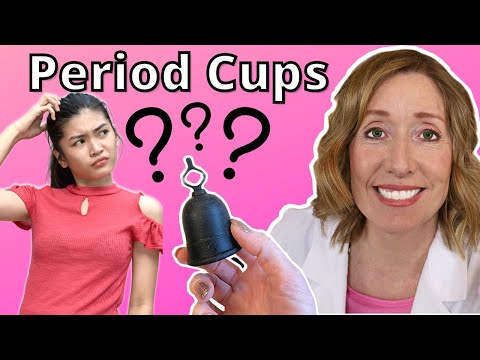 | ▶ FEATURED VIDEO How to Use a menstrual Cup – STEP BY STEP for Beginners with DemoThis beginner-focused video presents a step-by-step menstrual cup demonstration to accompany the folding, insertion and positioning instructions below. |
①
What Is A Menstrual Cup And How Does It Work?
A reusable period product that collects rather than absorbs menstrual fluid.
A menstrual cup is a reusable period product designed to sit inside the vagina and collect menstrual fluid during a cycle. Unlike pads or tampons, the cup does not absorb moisture, which may help some users avoid the dryness associated with absorbent products. Many menstrual cups are made from flexible medical-grade silicone, although materials vary between manufacturers.
Menstrual cups come in different sizes, shapes and firmness levels to suit different flow levels, anatomy and comfort preferences. Some beginners prefer softer or smaller designs because they may be easier to fold, although an overly soft cup can be harder to open. People interested in broader intimate wellness may also explore beginner-friendly intimate products, while recognising that menstrual cups are designed specifically for period care.
A menstrual cup works by opening inside the vagina and forming a seal against the vaginal walls. Once positioned correctly, it collects menstrual fluid and can reduce leaks during movement or physical activity. The cup should sit below the cervix and feel comfortable without significant pressure, pain or irritation.
Compare important menstrual cup features before selecting a suitable design.
| Cup Feature | What It Means | Beginner Recommendation | What To Avoid |
|---|---|---|---|
| Cup Size | Determines cup dimensions, fit and often fluid capacity. | Check the brand’s sizing guide, cervix height and personal comfort. | Assuming every beginner needs the smallest available cup. |
| Cup Firmness | Affects how easily the cup folds, opens and feels against vaginal walls. | Consider a flexible design that opens reliably without uncomfortable pressure. | Choosing an extremely soft or firm cup without considering fit. |
| Stem Design | Helps locate the cup during removal and may influence comfort. | Select a stem that is easy to locate without causing rubbing. | Pulling the stem without first releasing the cup’s seal. |
| Fluid Capacity | Indicates how much menstrual fluid the cup can collect before emptying. | Match capacity to your flow and empty according to the manufacturer’s wear limit. | Exceeding the recommended wear time or waiting until the cup overflows. |
| Cup Material | Influences flexibility, durability and compatible cleaning methods. | Choose a reputable product with clear material and cleaning instructions. | Using harsh cleaners or continuing to use a cracked or damaged cup. |
Beginner Tip: The most suitable menstrual cup is one that fits comfortably, opens correctly and matches your menstrual flow. Brand sizing and cleaning instructions should always take priority.
②
Step-By-Step Guide On How To Use A Menstrual Cup Comfortably
Prepare, fold, insert and check the cup without rushing.
Using a menstrual cup becomes easier when the body feels relaxed, and insertion happens slowly. Many beginners feel more comfortable using a little water or compatible water-based lubricant around the rim, folding the cup tightly and guiding it toward the tailbone rather than pushing straight upward. Never force insertion when resistance or pain develops.
Before beginning, wash your hands and follow the manufacturer’s first-use cleaning instructions. Choose a comfortable position such as sitting on the toilet, squatting or standing with one leg raised. Relax your pelvic muscles and keep the folded cup secure between your fingers until it is positioned inside the vaginal opening.
Once inserted, release the fold and allow the cup to open. Gently feel around the base for obvious folds and adjust its position if needed. A cup does not need aggressive rotation to form a seal, and the stem should remain accessible without causing rubbing. If it feels uncomfortable, remove it and try again rather than repeatedly pushing it higher.
In an editorial scene about preparing for a busy morning, my boyfriend and I made time for a calm routine instead of rushing. I tried a punch-down fold while he prepared a warm drink and gave me privacy when I needed it. We agreed that taking a break was better than forcing an uncomfortable attempt, and that made the routine feel much less pressured.
③
Safe And Easy Ways To Remove A Menstrual Cup
Release the seal before withdrawing the cup to minimise discomfort.
Removing a menstrual cup can feel intimidating during the first few attempts because the cup forms a seal inside the vagina. Beginners sometimes worry that it is stuck, especially when pelvic muscles tighten from stress. Sitting on the toilet, squatting slightly and breathing slowly may help the cup move lower and make removal more manageable.
Wash your hands, locate the base and gently bear down with your pelvic muscles if necessary. Pinch the base to release the seal before guiding the cup downward slowly. Pulling only on the stem without releasing suction can cause pain and resistance. Keep the cup relatively upright to reduce spilling, then empty its contents into the toilet.
If the base is difficult to reach, take a short break and try again in a comfortable position. Avoid using tools or sharp objects. If repeated attempts fail, the cup cannot be reached or removal causes significant pain, seek prompt help from a healthcare professional rather than continuing forcefully.
Another editorial moment follows my boyfriend and me preparing for an afternoon outing. I allowed extra time to empty the cup at home rather than dealing with a hurried public bathroom visit. He kept our plans flexible while I worked out a comfortable removal position. The useful lesson was practical: a calm setting and enough time made the process easier to manage.
④
How To Clean And Store A Menstrual Cup Properly
Simple hygiene habits help keep reusable period care manageable.
Cleaning a menstrual cup properly helps maintain hygiene between uses. After removal, empty the collected fluid, rinse the cup with clean water and wash it according to the manufacturer’s instructions. Where recommended, use a mild, fragrance-free cleanser suitable for the cup material. Avoid harsh chemicals, strongly scented products or abrasive cleaning methods that could damage the surface.
Before first use and between menstrual cycles, many manufacturers recommend boiling the cup for a specified period. Follow the exact product instructions because heat tolerance and cleaning methods vary. During your period, inspect the rim and any small holes for residue that could interfere with cleaning or opening.
Once the period ends, clean and dry the cup completely before placing it in a breathable storage pouch or suitable container. Avoid storing a damp cup in a sealed plastic bag. Replace it if the material becomes cracked, sticky, damaged or otherwise unsuitable for continued use.
For people comparing alternative period-care formats, Beppy menstrual products provide another category to investigate. Product types have different insertion, cleaning and disposal requirements, so the instructions for one should never automatically be applied to another.
⑤
Preventing Leaks And Improving Everyday Comfort
Fit, flow and daily movement all influence the cup’s performance.
Leaks often occur when the cup has not opened fully, the cervix sits outside the rim or the cup reaches its capacity. If leaking continues despite careful insertion, check whether the cup shape and size suit your anatomy. A cup that feels comfortable but repeatedly leaks may require a different design rather than constant repositioning.
During heavier flow, empty the cup more frequently instead of relying on the maximum advertised wear time. Follow the manufacturer’s instructions and do not exceed the applicable wear limit, commonly up to 12 hours. Sleeping and exercise may be comfortable with a properly fitted cup, but personal flow and capacity still determine when it needs emptying.
Menstrual care and partnered intimacy also involve different practical considerations. A standard menstrual cup is not designed to remain inserted during vaginal penetration, so remove it beforehand unless the specific product instructions explicitly state otherwise. Couples interested in broader communication and comfort can explore intimate products for couples while keeping period-care products and their intended uses distinct.
⑥
Common Menstrual Cup Mistakes And When To Get Help
Avoid common beginner errors and recognise when medical advice is needed.
Learning how to use a menstrual cup takes patience, and small mistakes can affect comfort, hygiene and leak protection. Choosing the wrong size, inserting the cup incorrectly or forgetting to release the seal during removal may cause discomfort. Never force insertion or continue wearing a cup that causes pain.
Seek medical advice for persistent pain, unusual discharge, unexplained bleeding or repeated removal difficulties. Sudden fever, vomiting, dizziness or a widespread rash may indicate a serious condition, including toxic shock syndrome. Remove the cup and seek urgent medical care if these symptoms occur. Broader discussions about healthy sexual integration can support body awareness but do not replace medical guidance.
Make Period Care Easier With The Intimina Lily Cup B
A practical menstrual care option for confident everyday use.
Once the basics of folding, insertion and removal feel familiar, finding a cup that suits your body becomes the next step. The Lily Cup B Menstrual Cup by Intimina offers a flexible, reusable option designed for menstrual fluid collection, with Size B intended for users who need its particular fit and capacity. Its smooth silicone construction supports comfortable insertion when positioned correctly, making it a relevant choice to consider alongside the techniques covered in this guide. Always check the manufacturer’s sizing recommendations before purchasing.

⑦
FAQs About How To Use A Menstrual Cup
Practical answers about fit, period flow, medical considerations and everyday use.
Open any question below to view its answer.
Can someone use a menstrual cup with an intrauterine device?
Some people use both, but cup removal may create a risk of disturbing an IUD. Discuss suitable precautions with a healthcare professional.
Can a menstrual cup be used during very light spotting?
A menstrual cup may be used during light flow when the product instructions permit it. Comfort and appropriate emptying intervals remain important.
Does a menstrual cup affect the natural vaginal microbiome?
Menstrual cups do not necessarily disrupt normal vaginal bacteria. Proper cleaning and appropriate use help reduce avoidable hygiene risks.
Can someone use a menstrual cup after giving birth?
Internal menstrual products are generally avoided during early postpartum recovery. Ask a healthcare professional when using a menstrual cup becomes appropriate.
How can someone tell when a menstrual cup needs replacing?
Replace a cup when it shows cracks, surface damage or changes that affect safe use. Follow the manufacturer’s recommended replacement guidance.


Leave a Reply